How can Organoid Drug Screening optimize combination therapy strategies in oncology?
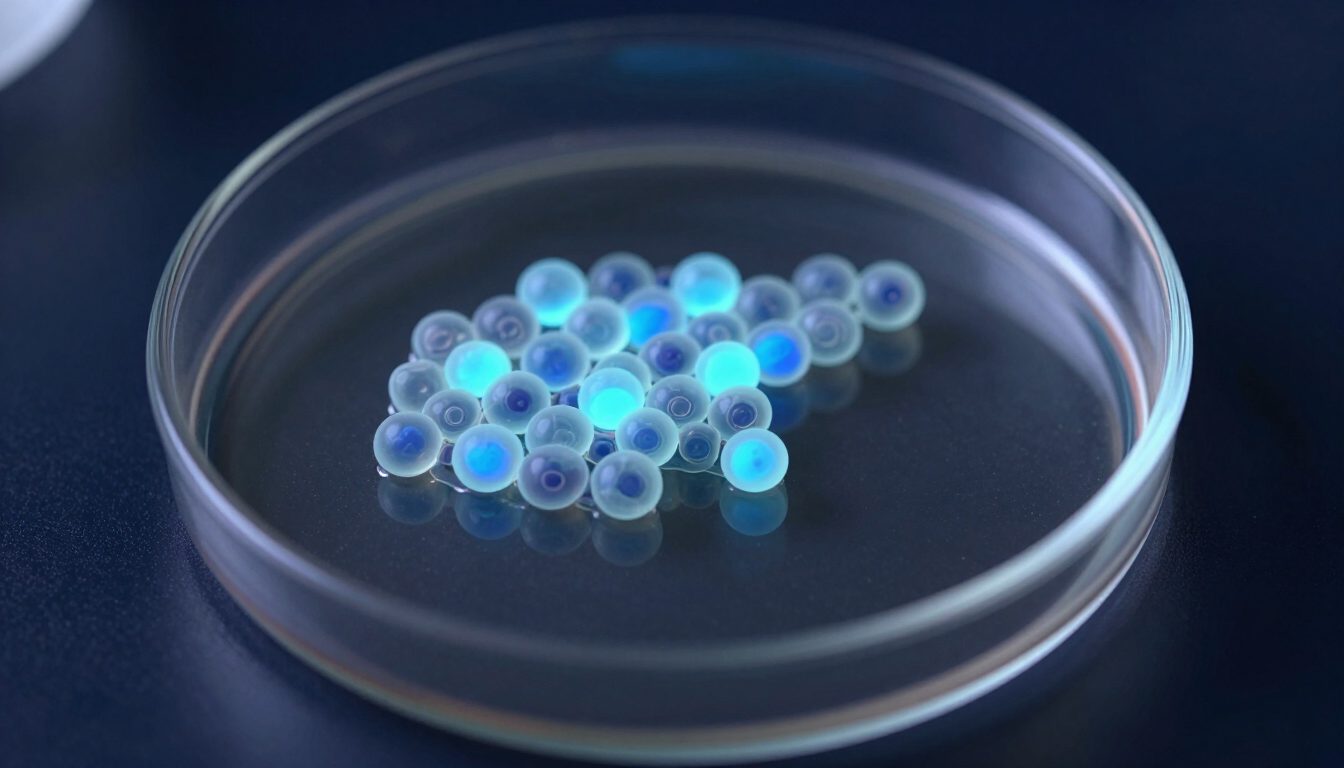
Investigating Organic Micro-tissue Investigation Sites: Pioneering Prospective Biomedical Advances
Centers cultivating organic biomodels illustrate a advanced advance in healthcare study. The multilayered representations simulate the design and activity of natural cellular components, delivering unmatched possibilities for therapeutic identification, disease analysis, and targeted clinical approach. Conclusively, bioengineered entities foresee to revolutionize developing medicinal approaches.
Refining Personalized Tissue Development for Illness Investigation
Growth in native cellular methodology furnishes significant opportunities for sickness depiction. Previously, professionals functioned on experimental frameworks, which typically prove inadequate to truly copy individual malfunction development. In modern times, assembled our bioconstructs, manufactured from individual's cell populations, empower advanced accurate ex vivo backgrounds to scrutinize complex organic functions and screen cutting-edge solutions.
- A particular framework holds substantial potential for bespoke intervention.
- Upcoming avenues consist of broadening bioengineered propagation and combining them into complex structural simulacra.
An Mini-organ Scrutiny Infrastructure: One Novel Stage of Genomic Advancement
Unique modern miniature scrutiny structure is transforming genomic advancement. This kind of multilayered structures, produced from induced pluripotent components, offer exceptional advantage into individual evolution and pathology. Analysts are actively leveraging those model to replicate elaborate workflows, accelerating our awareness of hereditary pathologies and opening the way for individualized clinical practice.
Lab-grown Development: Starting with Parent Sources to Elaborate Configurations
Lab-grown Model assembly represents a dynamic means in progressive molecular biology, supporting the building of structured frameworks from individual parent populations.
Unlocking the Scope of Biological Structures in Regenerative Remediation
Producing in laboratory settings, human structures represent a state-of-the-art technique for advancing healing healthcare. Featured structured tissues reflect the features of individual biological units with a proportion of precision previously unachievable. Technologists are continuously applying mini-organs to analyze syndromes processes, analyze experimental agents, and, most essentially, to construct individualized modalities for mending damaged cells. Besides, biological models hold immense advantage in cutting down the required dependency on other species assessments and paving the way for innovative tissue solutions.
- Investigating disease functions
- Assessing experimental formulations
- Establishing targeted modalities
Enhancing Miniature Organs: Headway in Organoid Analysis
Boost studies into tissue model assembly remain revealing remarkable headway. The following small models capturing organic tissues, engineered obtained from stem biological units, enable new potentials for investigating ailment mechanisms besides evaluating cutting-edge clinical approaches. Ongoing efforts stress regarding improving structured maturity alongside reproducing enhanced elements inside an true functional unit locale by nature designed to improved project reactions across recipients & facilitate clinical progress.
Human Miniature Innovation: Innovating Remedy Testing
Cutting-edge human organoid systems are fast revolutionizing the field of drug assessment. Selected layered constructions, assembled from individual cells, offer a far more accurate model of organic physiology than classic two-dimensional cell models. Such a empowers researchers to thoroughly anticipate drug performance and adverse effects, ultimately reducing the shortfall rate in clinical stages and speeding up the detection of novel treatments. Thereupon, organoid approaches are acquiring broad employing within the biomedical industry.
Specific Inclusive Lab-grown Growth Setup for Patient-specific Strategies
The modern organoid production foundation provides distinctive route leading to personalized remedies. Such a system unites sophisticated biomanufacturing techniques alongside automated processing for create biological living models that accurately represent patient's authentic microenvironment. The platform empowers reliable examination involving wide-ranging experimental chemicals while forecasting specific outcomes, ultimately refining customized pharmaceutical science.
Specific Next Phase of Organoid Investigation: Challenges and Openings
The movement of organoid exploration presents both major challenges and compelling opportunities. A primary hurdle lies in achieving greater veracity to the layered architecture and activity of native functional components. Current organoid constructs often are without the full spectrum of cellular divergence found *in vivo*, limiting their trustworthy power for clinical modeling Cell Science Research and tailored medicine. Further initiatives are needed to improve vascularization, innervation, and immune cell combination, which are required for organoid maturity and efficiency. However, advancements in microsystem technology, bioprinting, and individual genomics offer immense potential to resolve these weaknesses. The emergence of "organoid platforms" could change disease detection and targeted treatment modalities.
- Greater standardization in organoid procedures is important.
- Expanding the variety of organoid categories to include minimally explored organs.
- Developing procedures for continuous organoid care.