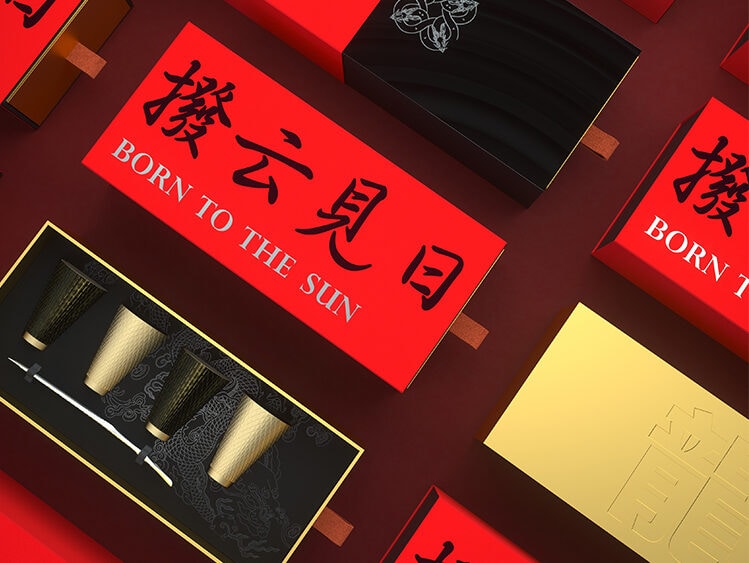
How does a Portable Ceramic Travel Cup reinforce on‑the‑go wellness branding?
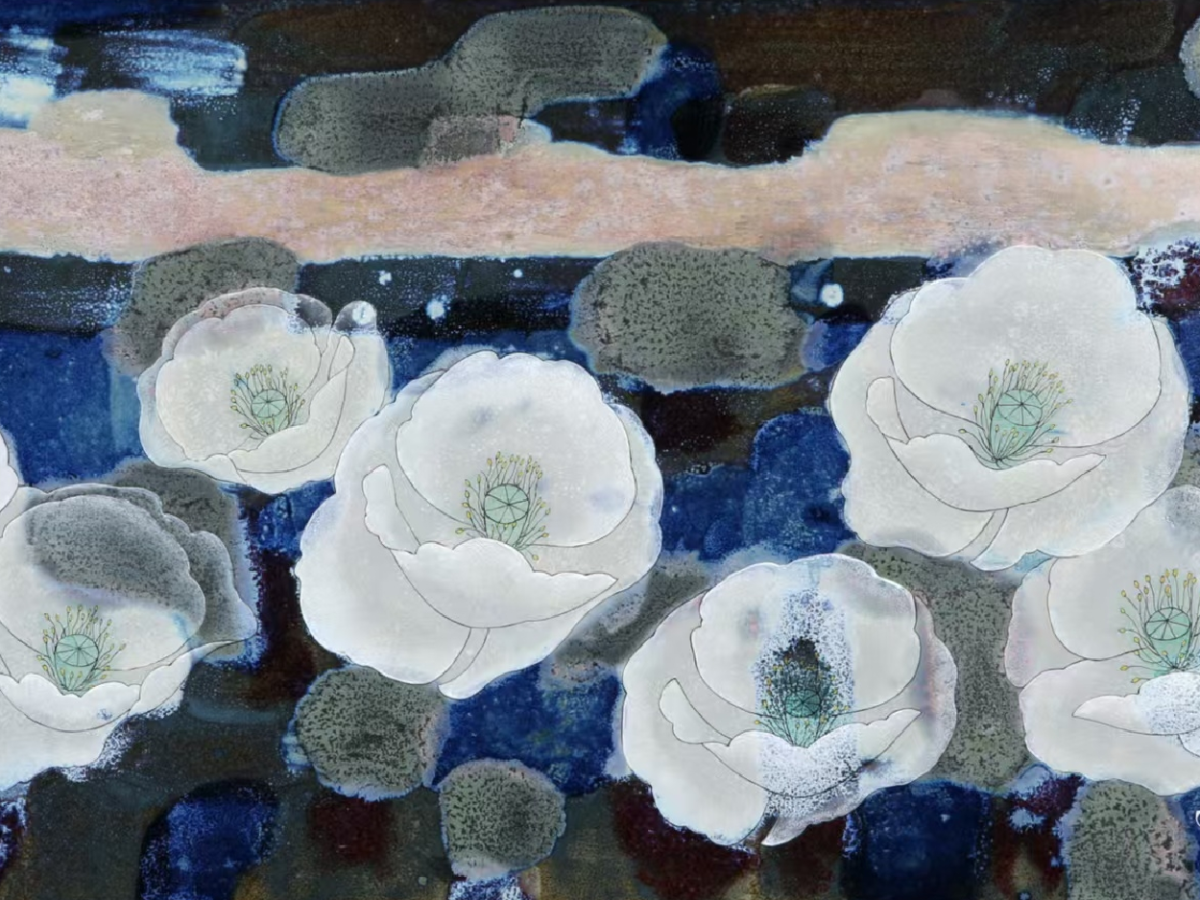
Earthenware work reflects a remarkable medium variety with a prolonged record, stretching back myriad of decades. From ancient vessels to recent showcases, the medium offers unequalled possibilities for creative performance. Creators apply distinct techniques – including hand-building, wheel throwing, and intricate firing processes – to convert humble terracotta into pleasing three-dimensional pieces. The resilience of fired stoneware also contributes to its status as a truly noteworthy part of human society.
Investigating Earthenware Marker Layouts and Practices
The sector of ceramic plaque design offers a wide array of innovative possibilities. Creators often apply a amalgamation of ancestral and up-to-date techniques to develop visually striking pieces. These can range from simple, sculpted reliefs to complex, multi-layered layouts. Frequently used methods include form mold, hand crafting, surface glazing – which can involve an array of genres like painting before firing, final glaze adornment, and incised illustration where designs are highlighted by excavating a layer of surface. Extended analysis into decorative coatings such as quick baking and metallic glaze can create truly exceptional and tailored earthenware tiles.
- Slip Casting - Assembling pieces using a model
- Hand Shaping - Accurately crafting the dirt
- The glaze process - Applying the external area with a silky finish
- Incised pattern - Exposing designs by scraping covers
Enveloping Experiences: Earthenware Art Installations
The progressing landscape of design presents exciting innovative avenues for viewers, and ceramic art installations are at the pinnacle of this wave. These aren't just static forms; they are assembled to envelop the viewer in a sensory experience. Imagine venturing into a forest of towering, polished ceramic trees, or navigating a maze of sensitive ceramic vessels. Many designers are now incorporating sound, glow, and even perfume to enhance the atmosphere of their work. Imagine the power of a room filled with hundreds of individually ceramic forms, each telling a tale. Typically, such installations delve into themes of nature, history, and humankind.
- The mentioned installations blur the distinctions between figure and structure.
- Interacting with a ceramic art installation can be a deeply meaningful journey.
- Producers are expanding the extents of what is attainable with clay.
Each Charm of the Brick Receptacle: Purpose and Outline
The clay jar represents a remarkable mixture of applicability and visual appeal. Historically, these jars served a simple purpose in preserving liquids, but their growth has transformed them into highly valued works of craftsmanship. Each creation showcases the mastery of the potter, demonstrating how design can be as noteworthy as application. The precise shaping, the uncommon glazes, and the aggregate presence of a finely-produced jar can boost a space, offering both beauty and a understated reminder of the maker’s hand.
Modern Earthenware Figure : Broadening Boundaries
Current stoneware figure represents a fascinating development from traditional practices. Makers are vigorously challenging with cutting-edge techniques, questioning the boundaries between artwork and distinct aesthetic spheres. From considerable installations to intricate miniature pieces, such works examine themes of persona while parallelly transforming the fundamental of what porcelain can manifest. The upshot is a forceful sector of inventive expression.
Ceramic Badge: Preserving History in Clay
Brick plaques offer a singular method for noting significant events and souls. Distinguished from traditional metal or stone markers, these enduring pieces of handiwork are formed from heated clay, creating a palpable link to the preceding days. Generally, they showcase intricate sculptures or vividly colored imagery, narrating stories that might otherwise be forgotten. An technique, going back to ancient communities, provides a elegant and durable way to celebrate our Jingdezhen Ceramic Cup Set collective narrative.
- These particular can be established in open spaces.
- Countless are now deemed historical wonders.
Porcelain Art Showcases: Changing Areas
Brick art installations are surfacing a influential medium for creators to reconstruct public and private areas. These immersive designs frequently involve large-scale clay artifacts that involve viewers, shifting their awareness of the created environment. By incorporating diverse systems like artisanal crafting and elaborate firing ways, ceramic artists fabricate truly unique experiences, erasing the divisions between work and setting. The result is often a strong shift that raises the stylistic quality of the space and promotes debate.
Commencement Wheel to Spectacle: The Craft of the Porcelain Vase
The journey of a stoneware vase from a simple lump of mud to a developed work of creation is a testament to human craftsmanship. Conventionally, the process kicks off with the potter’s lathe, where the expert artisan molds the twisting clay into a cylindrical figure. This foundational process demands clearness and a keen eye, followed by a delicate curing period. Once soft-fired, the pot is ready for decoration, which may consist of decorating intricate patterns, sculpting detailed portraits, or using a range of surfaces. The final heating process then renders the component into a durable and stunning urn, a tangible representation of the designer's dedication.
Crafting with Porcelain: A Tutorial to Pottery Work
Immersing the landscape of ceramic craft begins with comprehending the cornerstones of fashioning with clay. The technique necessitates attentively constructing and cutting material to form three-dimensional pieces. Regardless of you're a learner or a expert sculptor, practicing with several genres of clay – such as stoneware – will assist you find your distinctive voice. Eventually, earthenware crafting is a gratifying experience that integrates specialized ability with artistic representation.