How sensitive are your Edge Rounding results to operator skill variance?
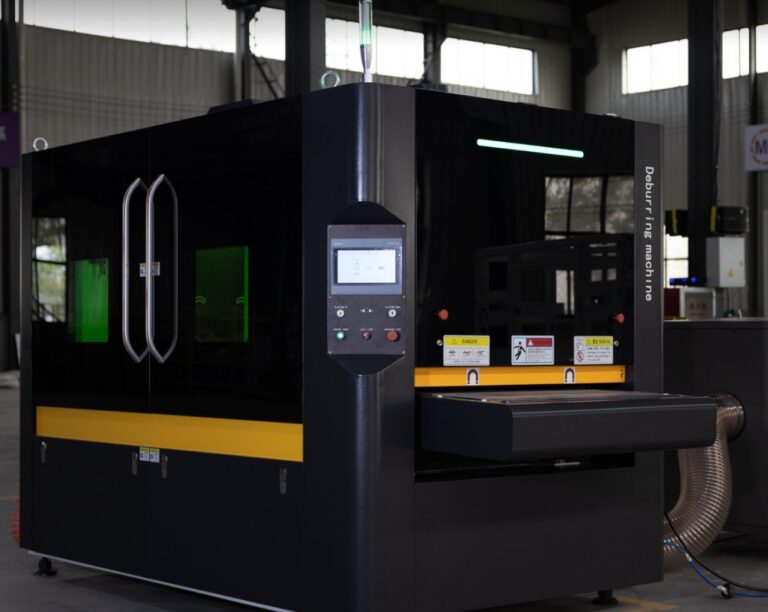
Embarking at elaborate inspection concerning automated tools created to perform edge finishing provide upgraded industrial workflows, granting considerable gains on pace and superiority. Our overview details the several types of machines, embracing brush-based spraying systems, whirling tools, and progressive computer-controlled systems. We will discuss the strengths of adopting this equipment, like cut personnel needs, improved component reliability, and upgraded production rates.
Perimeter Rounding Apparatuses: Spot-on Finishing Clarified
Perimeter polishing equipment offer a innovative solution for securing accurate completion on objects. Unlike manual processes, these intelligent units deliver equal returns and dramatically improve manufacturing performance. The machines habitually employ multiple machining appliances like whirling blades, refining wheels, or custom forms to clear sharp tips and spurs. These kinds of technique is crucial in a broad spectrum of applications, comprising healthcare and electrical.- Elevate finish condition
- Diminish assembly fees
- Boost yield and operation
Waste Clearing Mechanisms: Realizing Pristine, First-Class Exteriors
Present-day metal processing activities habitually create significant amounts of dross, a byproduct that, if left, can severely weaken the value of the finished item. Fortunately, advanced waste disposal devices offer a trustworthy solution. These tailored machines, employing techniques like blasting, are designed to thoroughly eliminate this unwanted material, ensuring a unblemished and exceptional surface. The resulting gains include reduced rejection rates, upgraded aesthetic appeal, and an overall growth in productivity. By utilizing innovative slag removal technology, manufacturers can consistently deliver exceptional surfaces and adhere to stringent requirements.
Metal Panel Treatment: The Benefits of Deburring Equipment
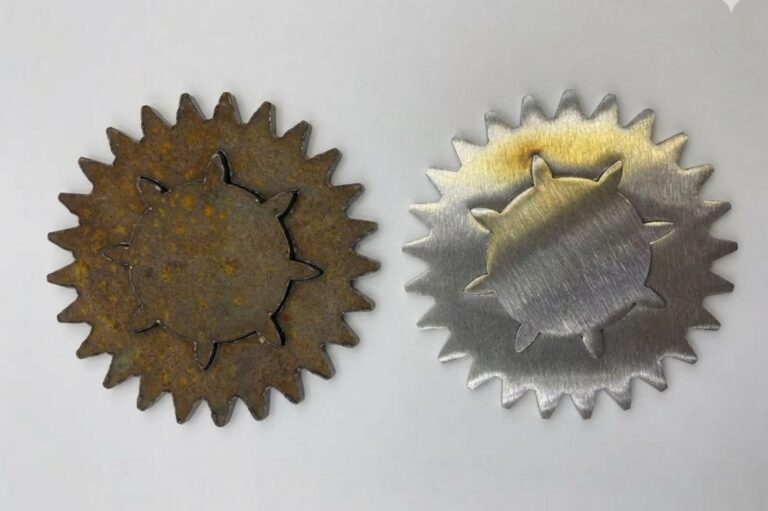
Realizing a top-level finish on sheet metal units is vital for performance, and deburring tools provide important upsides over manual methods. Getting rid of burrs efficiently not only elevates the overall quality of the entity, but also deters expected failures during assembly and deployment. Moreover, self-regulating deburring methods augment output times and lower manpower expenses.
Improving Sheet Metal Production with Automatic Deburring
To amplify efficiency in sheet metal construction, utilize automated deburring tools. Manual deburring is regularly protracted and likely to discrepancies. Replacing computerized deburring supplies substantial upsides, encompassing lower human resources spending, improved product excellence, and expanded production rates. These commitments are capable of quickly deliver value.Identifying the Fitting Deburring Device for Your Task
Evaluating the premier deburring machine for your particular needs requires a meticulous assessment of several points. First, consider the nature of medium you're tackling – alloy requires varied techniques than plastic. Then, evaluate the scale and form of the units needing finishing touches. In the end, deliberate your throughput volume; a high-volume operation demands a alternative type of setup than a small-batch one. Neglecting to consider these elements might cause unsatisfactory results and escalated investment.
Deburring Machine Method: Shifts and Revolutions
State-of-the-art surface smoothing tool approach is encountering rapid progress, spurred by the required for higher precision and efficiency in routines methods. Critical movements highlight the adoption of robotic frameworks for scalable edge finishing functions, alongside progress in lapping system. We're additionally observing a acceleration in easily carried edge finishing units catering for exclusive functions, and new processes like thermal burr trimming are gaining support. The vision points towards heightened networking of deburring tools within the integrated factory context.
Boosting Engineered Unit Quality with Perimeter Filleting
Many constructing processes for steel parts introduce sharp edges, which can bring about stress spots and vulnerabilities that impair overall durability. Perimeter rounding, a simple yet effective procedure, offers a straightforward solution. It entails slightly polishing the acute edges of a segment during the production stage. This cuts down stress points, amplifies fatigue strength, and can avert breaking. Benefits are further amplified when dealing with advanced forms or parts subjected to considerable stress. Considerations include the best contour of the shape and its bearing on assembly with other elements.
- Declines Stress Points
- Strengthens Resistance Lifespan
- Deters Damaging
Dross Cleaning vs. Edge : Understanding the Divergences
Albeit many machinists use the words “slag separation” and “deburring” identically, they describe distinct techniques in metal workshop processes. Bur removal focuses on eradicating the sharp, often tiny, roughness created during machining operations—these are excess bits of non-ferrous left on the segment. Residuum removal, conversely, addresses a remnant – typically a amalgam of residues – that manifests during processes like casting. Essentially, deburring deals with excess borders, while slag extraction deals with that offshoot of Edge Rounding Deburring Machine a varied operation. Concluding, robotic deburring and dross removal devices are necessary components of modern metal workshop that secure top-notch finished products with cut defects and boosted efficiency.Ending our discussion emphasizes the vital role of modern automated deburring technologies in influencing production benchmarks and assisting businesses reach improved productivity and quality.