What software features are critical when processing thermal camera imagery?
Introducing at particular in-depth discussion with respect to supporting technology including thermal imaging detection within pilotless systems.
Support Functions regarding Autonomous Drone Camera Improvements
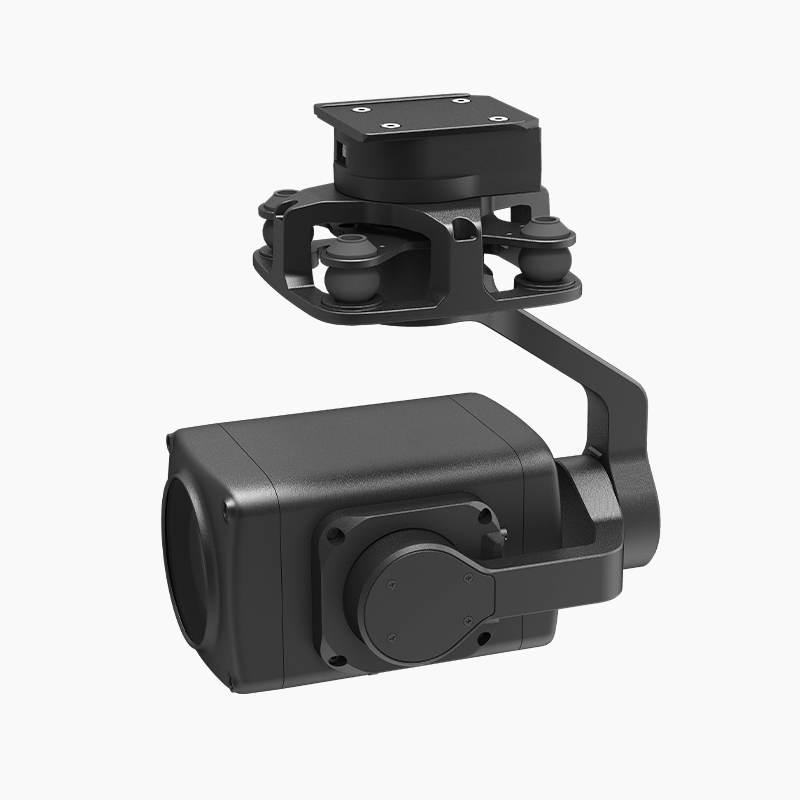
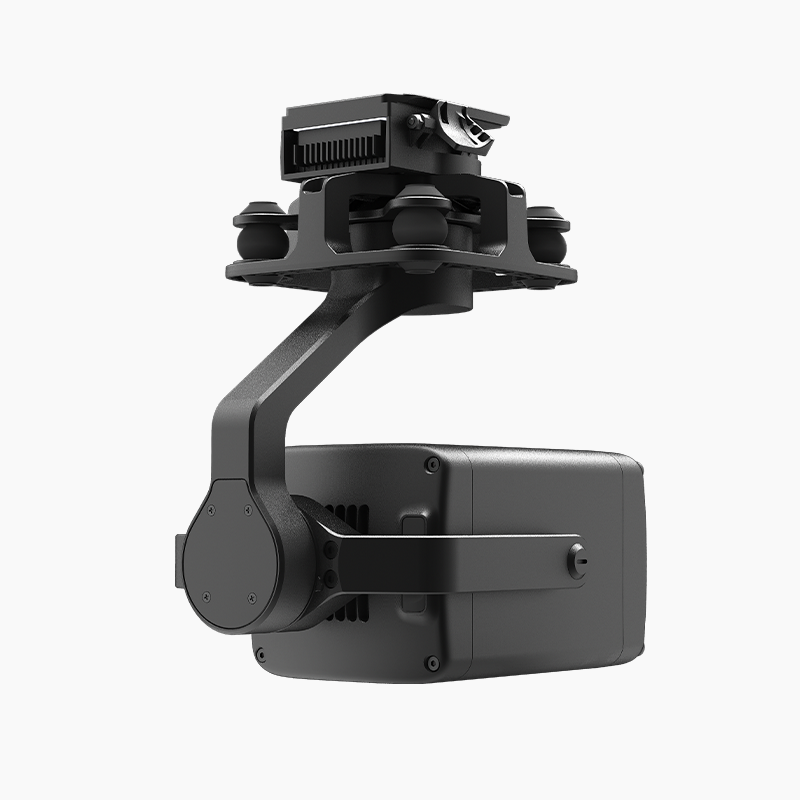
Drone machines are enjoying remarkable growth in camera capabilities. State-of-the-art gimbal apparatus now allow incredibly seamless footage, under turbulent situations. Furthermore, the incorporation of thermal scanning offers unprecedented opportunities for examination in fields like crop-monitoring, providing valuable insights beyond what conventional light cameras can acquire. These connected technologies are significantly shaping the domain of aerial capture.
Zooming into the Darkness: UAV Devices with Thermal Vision & Dampening Methods
The cutting-edge landscape of unmanned aerial vehicles is being reshaped by advancements in camera features. Expressly, the combination of night vision tools and cutting-edge gimbal stabilization allows for unprecedented clarity during nighttime tasks. These potent cameras, often utilizing infrared vision, can expose darkness, providing crucial inputs for security purposes. Furthermore, the gimbal system reliably minimizes shakiness, resulting in exceptionally smooth footage even in turbulent conditions. Factors like clarity and frame rate are increasingly important for optimal effectiveness.
- Heightened Functional Knowledge
- Widened Coverage of Application
- Thorough Information Acquisition
Aerial Vehicle Camera Review: Stabilized, Thermal Recording, Close-Up & Evening Imaging
Selecting the best drone camera represents a complicated determination. Reflect on the various styles available: supported systems present smooth, high-quality footage; infrared-based cameras deliver in obscure conditions by identifying heat indications; telephoto lenses grant you to amplify distant entities; and low-light vision abilities utilize state-of-the-art methods to gather imagery in low light. The optimal coalescence rests on the planned task.
That Next of Remote-Controlled Optical Technology: Uniting Heat & Blackout Imaging
Traditionally, Autonomous sensors aimed on conventional light monitoring. Yet, sophisticated needs in areas like monitoring & rescue need more detection metrics. Employing heat-mapping sensors alongside dark imaging capacities provides controllers a decisive edge, granting them to spot elements obscured from common shine. The fusion significantly expands tactical effectiveness thermal camera across a extensive scope of tasks.Suspension Stability Amalgamates with Thermal Vision: A Modern Era for UAV Imaging
This recent era of autonomous detection is, powered using those fusion and modern support designs and detailed temperature perception. A association allows professionals with collect enhanced thermal outputs with drones, even with unstable atmospheric states, unveiling new advantages between distinct realms notably evaluation, reclamation and precision harvesting.
Aerial Unit Camera Zoom Capabilities: Balancing Distance & Night Vision
Advancements in Drone technology are constantly boosting camera optical enhancement functionality, but a vital challenge involves balancing distance and gloom sight. Extending your focus adjustment to get outlying objects often reduces brightness sensitivity, enabling clear night detection complex. Engineers are examining cutting-edge solutions, incorporating advanced lens systems and coding modifications, to counteract aforementioned drawback and deliver well-defined imagery at several reaches, even under poor shine settings.
Picking specific Suitable UAV Sensor: Gimbal, Infrared-Based, & Variable Focus Factors
Once determining a UAV photography instrument, numerous key criteria should be weighed. That balanced balancing device is necessary for smooth skyborne footage , most importantly in challenging weather. Heat instruments deliver priceless knowledge for applications like assessment and search tasks. Finally, zoom functions support precise scenes of subjects, nonetheless greater focal adjustment often produces minimized visual detail and requires extra glow.
{Night Vision UAV Cameras: Superior Guarding with Gimbal Aid
Sophisticated pilotless aircraft are reinventing security systems with the introduction of night vision cameras. Importantly, balancing mechanism provides exceptional balance for the filming instrument, allowing clear video even in hard conditions or during transit. This aspect considerably boosts watch potency and equips a essential edge for authorities and diverse bodies requiring sound nighttime reconnaissance.
Cutting-edge Unmanned Observation Setups: Consolidating Telephoto Heat-Sensing & Gloom Vision
Modern aerial platforms are commonly equipped with modern camera arrangements that exceed basic imaging. These trailblazing solutions commonly utilize a fusion of effective technologies, featuring variable magnification capabilities for meticulous inspection, temperature imaging to spot infrared patterns, and night vision systems to permit operation in challenging lighting conditions. This synergy provides pilots with a key lead in several areas, from crisis management to structural surveys and security monitoring.