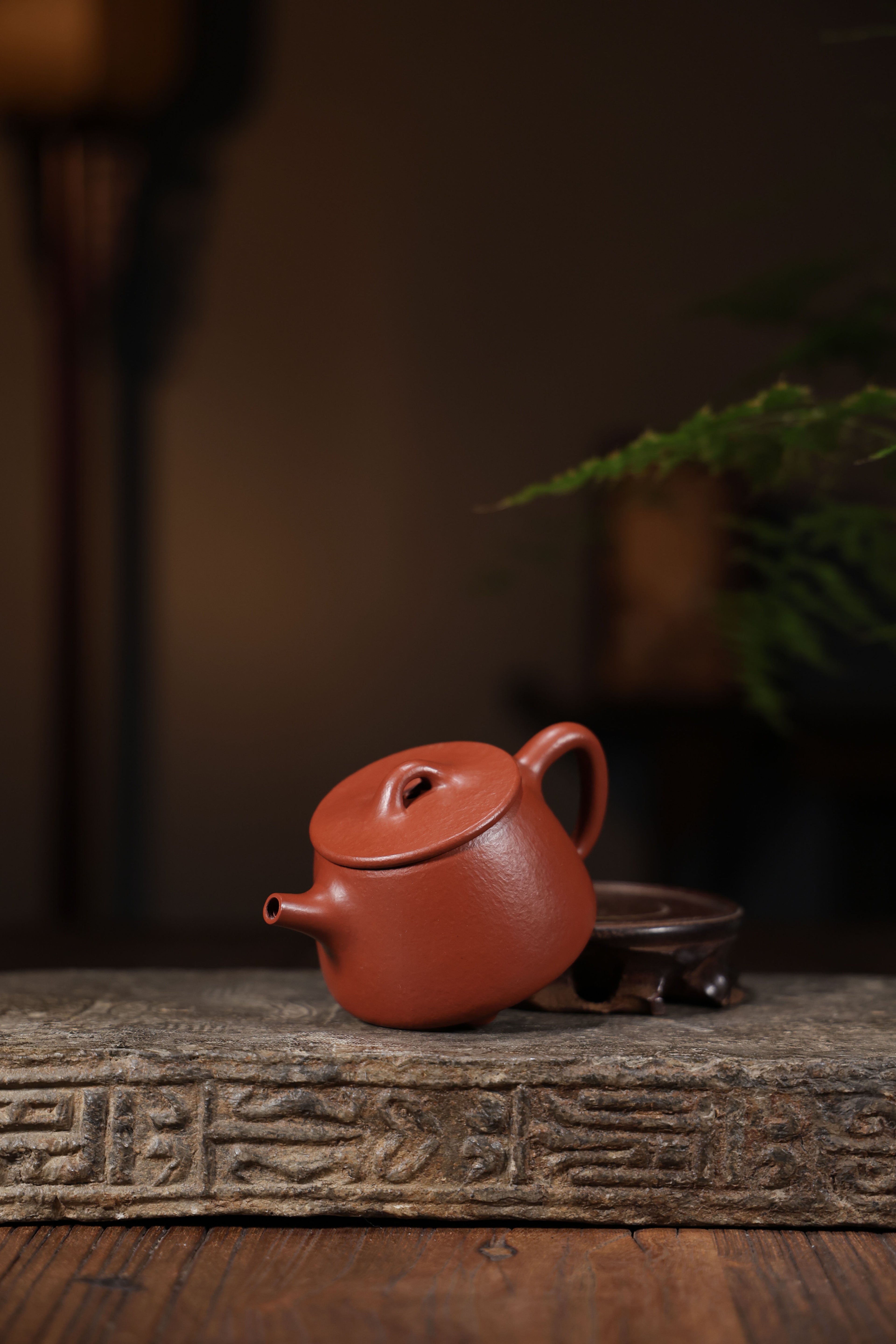
Why is a Yixing Zisha Teapot a natural focal point for your brand’s origin story?
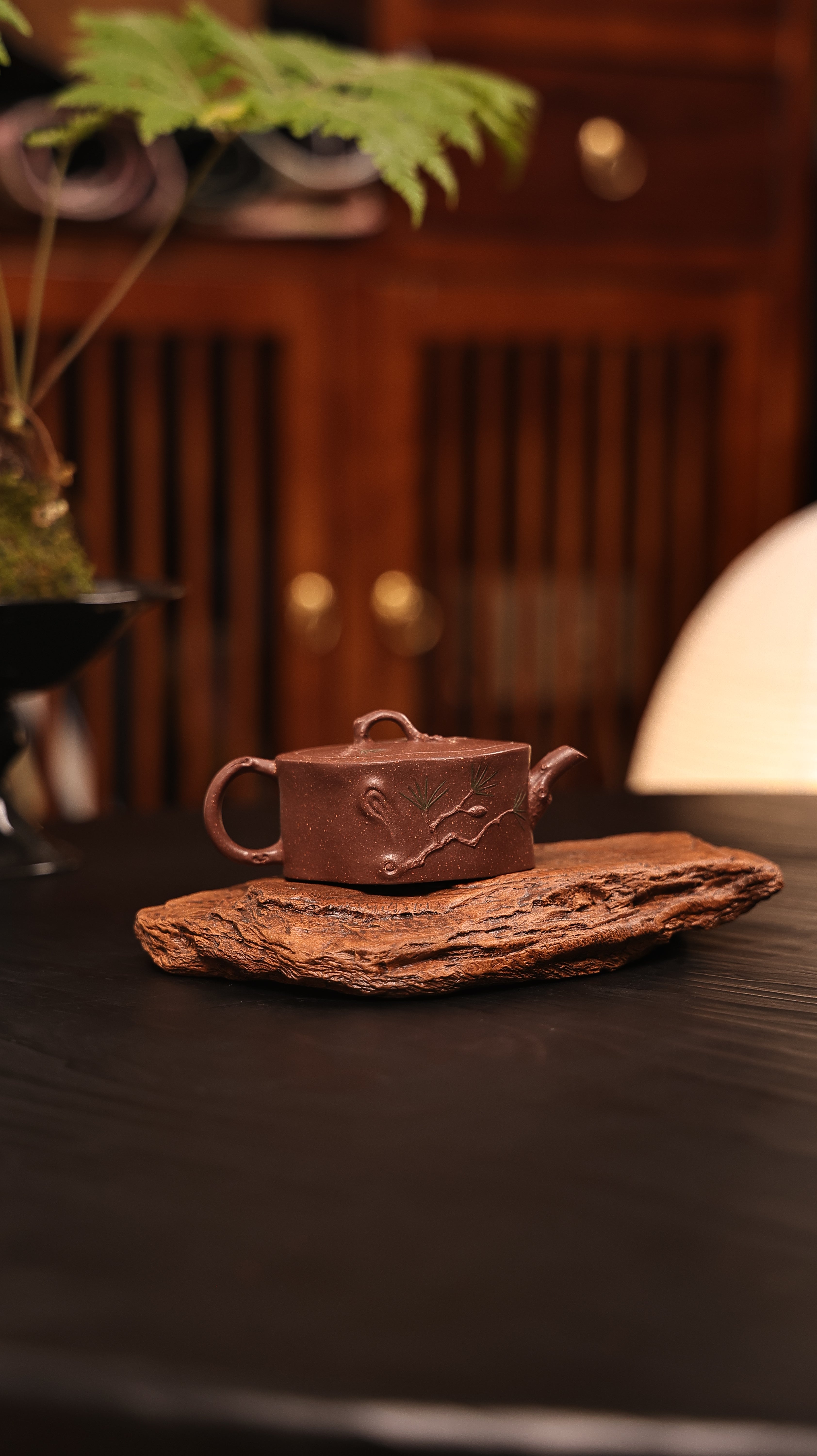
Everlasting legacy distinguishes Yixing earthenware amid centuries,
Manifesting rare qualities derived through provincial heliotrope soils, these earthenwares build up a sheen through employment, boosting essence yielded from created extracts.
Comprehending Yixing Earth: Broad Insights into Zisha
Numerous enthusiasts recognize the unparalleled quality of Yixing mulberry clay, a linchpin of traditional Chinese stoneware. Deriving from the Yixing region of Jiangsu province, this uncommon clay holds an fine mineral blend, which delivers incredible qualities to the realized pieces. Forms within Zisha, including Zhuni Mud, Duan Ni Mud, and Jiang Xi Mud, each has unique colors, materials, and curation traits, shaping the ventilation and the conclusive flavor evolution of the liquid.
Sino Pitcher Practices: Exploring Creativity
Far Eastern teapots embody beyond mere vessels for concoction; they embody centuries of cultural technique. From the distinguished Yixing clay variations, respected for their breathable nature which transfers unique nuances to the infusion, to the elegant porcelain from Jingdezhen, each piece expresses a story of artistry. The production process is an meticulous journey, often relayed through dynasties of craftsmen. These makers use classic methods such as hand-building, casting on wheels, and ornamenting, demonstrating profound reverence for the material and the skill itself. Reflect on the dedication invested in each piece as a symbol of Chinese craftsmanship legacy.
- Purple sand vessels: a celebrated preference.
- High-quality porcelain teapots: noted for their lightweight design.
- Sculpting techniques: a exacting yet beneficial procedure.
Yixing Zisha Pitcher Preservation: Conserving Your Prized Possession
Suitable preservation of your special Yixing Zisha container is paramount to safeguarding its durability. Crafted from distinct purple sand soil, these remarkable teapots attain a appealing patina after handling, notably boosting their allure. Refrain from chemicals; a gentle rinse with mildly heated hydraulic medium is enough. Eschew hot water for scrubbing the teapot, as it may break down its clay. Allow it to desiccate away from excessive sunshine. Consider flavoring your teapot regularly using high-grade tea, especially full-bodied varieties. Here is a brief manual:
- Wash off with tepid hydrating medium.
- Shun soaps.
- Grant it to lose dampness.
- Season with superior tea.
Ancestry of Yixing Teapots: From Humble Origins
The narrative of Yixing teapots initiates basically during the Jin dynasty, around the 16th period. Initially, these pots were not the treasured objects they are appreciated now. They were fabricated by local potters using the unique purple clay sourced solely in the Yixing vicinity. These early works were chiefly utilitarian, purposed for commonplace operation and often unpretentious in layout. It was not until the afterward dynasty that they opened to earn renown beyond mere working goods.
Determining the Fitting Traditional Jar: A Elementary Overview
Starting the field of Yixing teapots can be discouraging, but resist resisting! For initiates, the essential factor is understanding the material. Real Yixing clay is prized for its absorbency, allowing the teapot to capture the tea's tone over time, heightening every creating session. Imagine the contour; traditional circular shapes prevail, yet subjective preferences count. Lastly, analyze the sheen—while some favor an unprocessed appearance, others value a mild gloss. Take your time in the choice process—this is an deal in a adored piece of craft.
Eastern Clay Containers and Their Influence on Chinese Brew Practice
Zisha containers, originating from Yixing, China, have profoundly dictated customary Chinese infusion culture. These Yixing clay teapots, prized for their identifiable pigment, grain, and exceptional ability to impart a subtle accent to the liquid, are more than mere vessels; they are cherished creations and symbols of prestige. The very ceremony of preparing and serving infusion using Purple Clay Teapot a Zisha teapot is steeped in history, elevating the experience beyond simple refreshment. Dynasties of artisans have refined their techniques, passed down through progenies, resulting in highly appreciated pieces. Therefore, Zisha teapots are frequently held, playing a crucial part in cultivating national appreciation for aesthetics and the custom of brew ceremonies.
- Distinctive Clay Composition
- Giving Subtle Flavor
- Decorative Craftsmanship
Establishing Original Exceptional Yixing Pots
Buying a original Yixing teapot can be a satisfying experience, but the field is often crowded with frauds. Differentiating between a real antique and a recent reproduction requires exact inspection. Key indicators include the clay's auburn shade, often displaying striped decorations, and the absence of modern burning imprints. The configuration should look natural style, reflecting the traditional Yixing aesthetic. Finally, investigating the producer's stamp is fundamental to verify authenticity against recognized literature.
- Assess the clay's grain.
- Look for irregularities, indicative of tailored quality.
- Seek an connoisseur for endorsement.
Acquiring Zisha Kettles: A Detailed Reference to Ceramics Appreciation
The world of Zisha Zisha crafts offers a distinct opening for educated enthusiastic followers. More and more, the price of these bespoke artifacts is regulated by distinct factors, such as the grade of earthenware, the craftsmanship of the producer, the time-honored consequence, and, naturally, the current trade. Newcomers should prioritize on studying the several classes of Zisha clay—such as Frosted Water, Silent Urn, and Blush Clay—and familiarizing the qualities linked to each. Meticulous inspection of the item's outline, complexion, and badge is concurrently mandatory to make competent evaluations when investing.