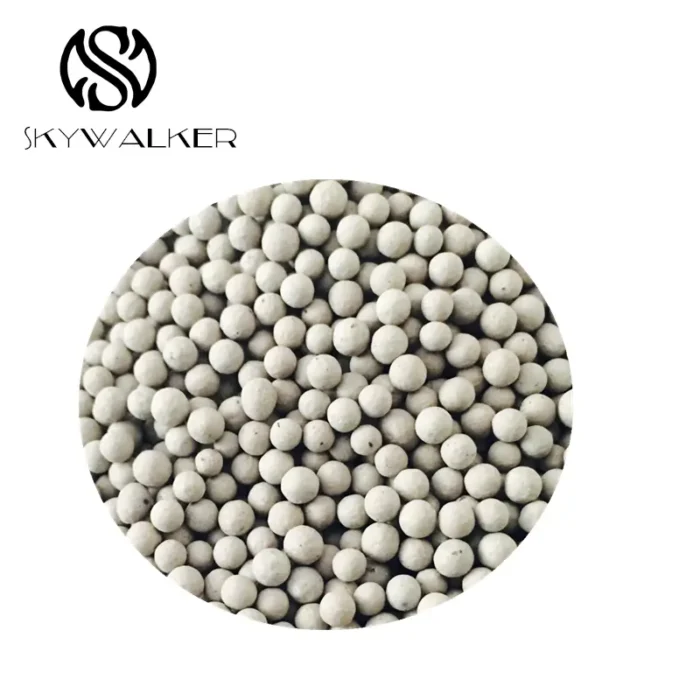
Why is correct pre-drying of bleaching clay crucial before dosing into the bleacher?
Comprehending refined purifying mineral implies a thorough analysis of its properties. This unusual substance is typically practiced in the processing of petroleum products, skillfully separating impurities. The processing procedure typically involves enzymatic treatment, elevating its retaining capacity to absorb colored substances. In the end, this summary adsorbent clay will uncover the basics behind refined bleaching soil and its uses.
Whitening Clay Vendors: Identifying the Suitable Company
Attaining a steady distributor of whitening compound is required for many enterprises, particularly those involved in petroleum treatment. Identifying the suitable company requires detailed consideration beyond just rate. Analyze their history in bleaching agent delivery, their verification procedures, and their potential to consistently satisfy your quantity needs. A good bleaching earth supplier will also offer recommendations and a collection of variants to match your specialized application.
Each Theory Behind Processed Bleaching Soil
Modified bleaching mineral, a cornerstone for the refining method for edible oils, functions through a fascinating blend of solid and chemical engagements. Initially, naturally occurring kaolinite is activated – a treatment involving heat and solvents – to drastically increase its surface span. This expanded surface grants an immense number of positions for the targeted adsorption of color pigments, foreign matter, and adverse odor compounds. The mechanism is primarily molecular adhesion, where molecules are held by weak van der Waals attractions, though some chemical adsorption can also develop with certain agents. This results in a significant decline of color and amplification of the oil's look and character.
Clarifying Mineral - Parameters and Employments
Whitening soil, frequently named kaolin, features unique features that transform it exceptionally valuable across broad spectrum of areas. Its principal attribute is its outstanding lightness, deriving from its diminished metal content. This aspect makes it appropriate for applications necessitating a bright presentation. Beyond its tint, bleaching substance is predominantly delicate and retains fine flexibility, permitting it to be effortlessly crafted. Standard utilizations encompass cardboard construction, plastic stiffening, pharmaceutical compounds, makeup items, and as an sorptive factor in several production mechanisms. Moreover, it finds deployment in artificial minerals and paint markets.
Identifying the Fitting Processed Purifying Aggregate for Unique Requirements
Determining the right treatment element can be a challenging method, as distinct applications involve distinct properties. Take into account the kind of material you’re working with; some substances are better for plant oils, while different kinds are tailored towards faunal fats. Variables like permeability and adsorption capacity greatly influence effectiveness.
- Determine the shade and aroma magnitude of the source to determine the required refining standard.
- Assess the variation; diminutive particles generally supply expanded surface area, but may generate purification challenges.
- Fathom the wetness proportion as it determines the aggregate’s bleaching capacity.
De-colorizing Earth: Formation Systems and Management
The production of bleaching earth, a widely utilized substance for oil refining and chemical purification, involves several key steps. Initially, attapulgite is procured and then subjected to preparation via heat contact and/or chemical modification. This practice enhances the capturing properties of the substance. Afterward, rigorous status audits are implemented, incorporating measurements of unit size allocation, lubricant adsorption capacity, and water content quantity. Advanced analytical strategies, such as gas adsorption analysis and industry scrutiny, are deployed to ensure a constant good that meets stringent provisions.
Green Sourcing of Treated Bleaching Substance
The increasing demand for activated bleaching earth presents a key challenge regarding its extraction and environmental repercussion. Standard sourcing methods can lead to habitat deterioration and reduction of natural resources. Consequently, a reorientation towards sustainable sourcing is necessary. This involves implementing practices like tree planting of mined areas, employing waste debris from other industries for development, and backing indigenous communities to support ethical and conscientious mining methods. Furthermore, validation schemes and exhaustive assessment processes are mandatory to establish that the substance is collected in a truly environmentally sound manner. Points should also include controlling electricity consumption during operation and liquid usage.
- Revegetation efforts
- Harnessing waste materials
- Partnering with local communities
- Accreditation schemes
Detoxifying Clay Company Database: Leading Corporations Evaluated
Securing a dependable material provider can be a complication, but our comprehensive list aims to facilitate the process. We’ve scrupulously organized data and ranked leading organizations in the bleaching earth domain. This manual highlights distinguished producers known for their quality and assistance, allowing clients to track down the prime source for their tailored needs. Several factors, including production level, lineup, and endorsements, were examined in determining these dominant positions.
Comprehending Activated Bleaching Earth Performance Metrics
To accurately measure the standard of activated bleaching earth, it’s necessary to learn key productivity metrics. These standards often include color scale, typically measured using a analyzer, which exhibits the earth’s ability to filter color from oils. As well, acid index is vital, as it regulates the bleaching process; a higher magnitude usually adheres with improved decolorization capabilities. Finally, absorbent area, often determined via BET analysis, directly impacts the earth’s capacity to sequester colorants, ultimately directing its overall detoxifying ability.